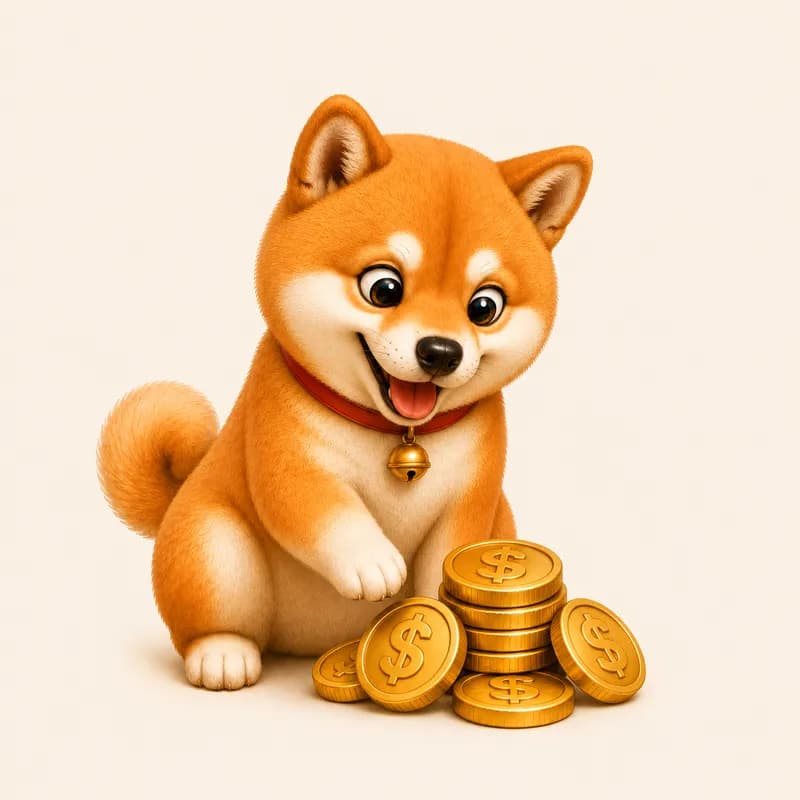
In the Chinese zodiac, the Dog is often connected with loyalty, honesty, responsibility, and protection. These qualities also shape the Dog’s attitude toward money. Dog people usually want their financial life to feel stable, clean, and trustworthy.
They tend to build wealth through sincere effort rather than shortcuts. A Dog may not always chase the fastest opportunity, but they can create long-term value through credibility, consistency, and a reputation for being reliable.
Their financial luck often becomes stronger with age because trust, relationships, professional reputation, and long-term stability become valuable assets over time. When Dogs protect what they earn, their wealth can grow slowly but firmly.
The Dog’s Money Style
Money Through Trust and Reputation
For Dogs, trust can become money. Because they usually keep promises and dislike dishonest behavior, they may build a strong reputation in society.
People may think this person can be trusted. This kind of credibility can bring important projects, loyal customers, stable contracts, or long-term business relationships.
The Dog’s money luck often grows when their name becomes connected with reliability. Their reputation can become one of their strongest financial assets.
Strong Ability to Protect Assets
Dogs are often better at protecting money than wasting it. They usually do not enjoy careless spending or impulsive purchases.
They may prefer safe assets, steady savings, and long-term financial security. Their style is more defensive than aggressive, but this can help them build a strong financial foundation over time.
This protective style can become powerful when combined with a clear plan. Dogs may not always move quickly, but they often know how to keep their financial life from becoming unstable.
Careful and Conservative With Money
Dog people usually do not like taking unnecessary financial risks. They may feel more comfortable with savings, property, pensions, insurance, or other stable forms of asset building.
This careful style can protect them from major losses. They are less likely to be attracted to reckless speculation, gambling, or sudden promises of easy money.
However, Dogs should also be careful not to become too conservative. If they avoid every reasonable opportunity, their money may stay safe but grow too slowly.
Weakness Around Their Own People
Dogs may manage money carefully in normal situations, but they can become emotionally vulnerable when family or close friends are in trouble.
If someone they care about asks for help, they may lend money, give a guarantee, or take responsibility without thinking enough. This can become one of the biggest financial risks for the Dog.
Their loyalty is a strength, but it needs boundaries. A Dog should remember that helping someone financially should not destroy their own stability.
Money Strengths
Dog people are often honest, responsible, steady, and good at protecting assets. They can build wealth through credibility, sincere effort, stable work, and long-term trust.
Their ability to keep promises and avoid reckless choices can help them create a solid financial foundation that becomes stronger with age.
Money Challenges
The Dog may become too conservative, too emotionally involved in personal money deals, or too reactive when pride is hurt. Their loyalty can sometimes lead to financial risk.
Their financial growth becomes stronger when they avoid guarantees, control anger before making decisions, and add reasonable long-term investments to their cautious habits.
Money Luck by Life Stage
Early Life
In early adulthood, Dogs often earn money through honest work and steady effort. They may not build wealth dramatically at first, but they can slowly create a practical foundation.
This is a period for saving, learning responsibility, and building credibility. The Dog may begin to understand that reputation, patience, and reliability can become important financial tools later.
Dogs should be careful about starting a business too early only because they want independence. A stable career foundation can help them more in the long run.
Middle Age
Middle age can become the Dog’s strongest financial period. The trust, relationships, and reputation built over many years may begin to bring real rewards.
Dogs may rise to a higher position at work, gain important clients, or become independent through professional skill. Their sincere effort can begin to produce stronger income and more stable opportunities.
If they turn this income into stable assets such as land, buildings, apartments, or property, their wealth can grow much stronger. This stage becomes powerful when trust-based income is converted into long-term security.
Later Life
Dogs often have the potential for a stable and comfortable later life. Assets built through honest effort, pensions, property, rental income, or long-term savings can support a peaceful retirement.
They may not need to depend heavily on their children. Instead, they may become a strong support for family and earn respect by helping others from a stable position.
Later life can become peaceful when the Dog protects existing assets and avoids unnecessary risk. At this stage, stability, dignity, health, and family harmony may matter more than fast financial expansion.
Money Challenges for the Dog
Avoiding Personal Money Deals
The Dog’s biggest financial danger is emotional money. Even with close friends or family, lending money or joining a shared investment can create serious problems.
Because Dogs are loyal, they may feel guilty refusing someone they care about. However, money problems can damage both relationships and financial safety.
Dogs need a firm rule. If they lend money, it should be an amount they can afford to lose without damaging their life. Financial guarantees should be avoided completely.
Becoming Too Conservative
Dogs may dislike risk so much that they only choose savings or property. This can feel safe, but it may also limit asset growth.
They may benefit from studying smarter, lower-risk investments. Financial growth does not always require reckless choices. It can also come from patient, well-researched, long-term planning.
Placing a small part of their assets into strong long-term stocks, low-risk funds, pensions, bonds, or other stable investment products can help improve financial efficiency.
Making Decisions While Angry
Dogs can lose money when they make financial decisions during emotional conflict. If a coworker, boss, client, or business partner hurts their pride, they may suddenly want to quit, cancel a contract, or break a relationship.
This can damage their money flow. A decision made during anger may feel justified at the moment but create financial regret later.
Dogs should avoid making major financial decisions when they are angry. Important choices should be made only after emotions have cooled down and the practical consequences have been checked.
Best Advice for the Dog
The Dog’s financial strength comes from trust, responsibility, and strong protection of assets. Dogs can build wealth slowly but solidly when they stay consistent and protect what they earn.
However, loyalty needs boundaries. Helping loved ones is meaningful, but emotional money deals, guarantees, and unclear partnerships can create serious loss.
Dog people should also avoid making financial decisions while angry. Pride can recover, but a broken contract, lost client, or sudden resignation can create long-term damage.
When Dogs avoid emotional money deals, control anger before making decisions, and add a little smart investment to their conservative habits, their financial life can become stronger and more stable with age. Their money luck grows best when loyalty is supported by clear boundaries.