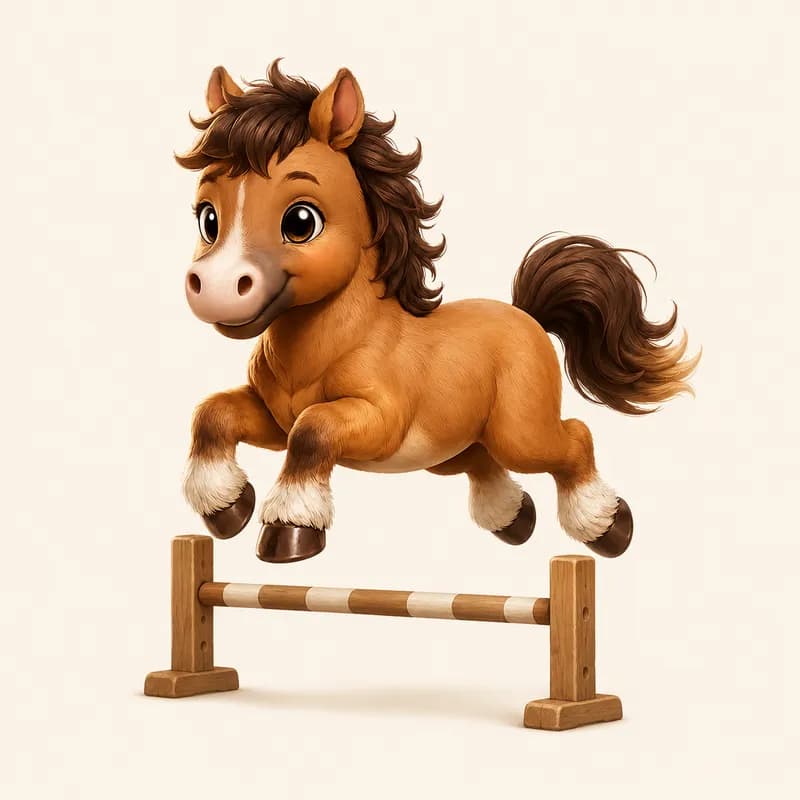
In the Chinese zodiac, the Horse is often linked with freedom, passion, movement, and strong fire-like energy. These traits can give Horse people impressive vitality, but they can also make the body and mind run too fast for too long.
Horse people may enjoy activity, work, travel, exercise, social life, and new challenges. They often feel alive when they are moving. However, this same strength can become a weakness if they ignore fatigue, pain, or stress signals.
From a traditional zodiac point of view, the Horse’s health is closely connected with heart energy, circulation, emotional heat, joints, and physical stamina. A Horse who never slows down may look strong on the outside but become exhausted inside.
This page is based on traditional zodiac interpretation and general wellness ideas. It is not medical advice. If you have pain, ongoing symptoms, sleep problems, or health concerns, it is always better to speak with a qualified healthcare professional.
Health Areas to Watch
Heart, Blood Pressure, and Circulation
In traditional East Asian interpretations, the Horse is connected with strong fire energy, which is often associated with the heart and blood circulation.
Because Horses can be quick-tempered and emotionally intense, stress may affect the body strongly. When anger or pressure rises too quickly, they may feel heat rushing upward, a stiff neck, or a racing heartbeat.
Over time, Horses may need to pay attention to blood pressure, heart rhythm, circulation, and cardiovascular health. They should not ignore repeated chest pounding, neck stiffness, or strong physical reactions to stress.
Nervous Tension and Stress-Related Symptoms
Horses often live with high energy. They may feel frustrated when things do not go their way or when they are controlled too much by others.
If emotional heat is not managed well, it may lead to headaches, stress-related sleep problems, nervous tension, dizziness, or ringing in the ears. For the Horse, calming the mind is just as important as moving the body.
Their body may react quickly when pressure builds. A Horse may need regular breaks, calmer routines, and healthy ways to release anger before stress becomes physical discomfort.
Joints, Spine, and Lower-Body Injuries
Horses usually have a strong need for movement. They may enjoy exercise, outdoor activities, sports, or physically active routines.
However, this active nature can also lead to injuries if they push too hard. Knees, feet, spine, lower back, and joints may need special care, especially with age.
Horses should be careful about knee pain, plantar fasciitis, back problems, fractures, or overuse injuries. Stretching, proper shoes, warmups, and rest days can help protect the body from unnecessary strain.
Eyes, Skin, and Upper-Body Heat
When inner heat rises upward, Horses may feel discomfort around the eyes, face, mouth, or scalp.
They may need to pay attention to dry eyes, red eyes, eye fatigue, vision changes, facial flushing, mouth ulcers, skin irritation, or hair-related concerns.
Cooling the body and reducing irritation can help keep this balance more stable. Good sleep, hydration, lighter meals, and lower stress can be especially helpful when the body feels overheated.
Health Strengths
Horse people are often energetic, active, and naturally drawn to movement. This can help them maintain strong vitality, physical confidence, and a lively daily rhythm.
When they use their energy wisely, build steady exercise habits, and give themselves enough rest, they can stay strong and resilient over time.
Health Challenges
The Horse may overestimate stamina, ignore warning signs, or keep running even when the body needs rest. Stress, anger, and emotional heat can affect the heart, sleep, circulation, and nervous system.
Their health improves when they learn to slow down early, manage pressure calmly, protect the joints, and see rest as part of strength rather than weakness.
Mental and Emotional Health
Overconfidence in Stamina
One of the Horse’s biggest health challenges is overconfidence. Horses may believe they know their own limits and keep going even when the body is already tired.
They may ignore pain, fatigue, or stress signals and try to push through with willpower. This can increase the risk of sudden exhaustion or burnout.
Horse people need to remember that the body often sends small warnings before a bigger problem appears. Listening early can protect their energy for the long run.
Difficulty Stopping
Horses can have trouble slowing down. Once they start running toward a goal, they may keep moving without enough rest.
The problem is not lack of energy at the beginning. The problem is not knowing when to stop. A Horse may feel uncomfortable with quiet time because movement feels more natural than stillness.
Horses need to learn that resting early is not weakness. It is part of staying strong for the long run. A planned break can prevent a forced stop later.
Quick Anger and Emotional Heat
Horse people may react quickly when they feel blocked, controlled, or disrespected. Their emotions can rise fast, and the body may respond with heat, tension, or a racing feeling.
If this pattern continues, emotional heat may become exhausting. It can affect sleep, digestion, focus, blood pressure, and overall comfort.
A healthy Horse needs regular ways to cool down emotionally. Walking away for a moment, breathing slowly, stretching, or talking after the first wave of anger passes can help protect both mind and body.
Health Tips for the Horse
Add Quiet Hobbies to Your Life
Horses often operate in a high-energy state. Because of this, they may benefit from activities that intentionally calm the body and mind.
Yoga, meditation, calligraphy, quiet walking, breathing exercises, or peaceful hobbies can help reduce mental speed and give the heart a chance to rest.
Choose Cooling and Hydrating Foods
Since the Horse is traditionally connected with strong fire energy, cooling and hydrating foods may help support balance.
Cucumber, watermelon, Korean melon, green tea, buckwheat, and red beans are often seen as helpful choices in traditional interpretations. Horses may also feel better when they reduce oily, spicy, and overly stimulating foods that can make the body feel hotter.
Drink Enough Water and Use Warm Foot Baths
Horses may become physically dried out when they are too active or stressed. Drinking room-temperature water regularly can help support circulation and daily balance.
Warm foot baths or half-body baths may also be useful. Keeping the lower body warm while calming upper-body heat can help the body feel more balanced and relaxed.
Check Blood Pressure and Heart Health Regularly
From the late 30s onward, Horses may benefit from regular blood pressure checks and cardiovascular screening.
Even when there are no obvious symptoms, checking blood pressure, cholesterol, blood vessel condition, and heart-related signs can help prevent problems earlier. Regular checkups are especially important for Horses who work too hard, get angry easily, or live with constant stress.